How to Revise for PSLE Math: Why 650 Topic-Based Past Year Questions Can Make All the Difference
Most PSLE students don't need more assessment books—they need smarter revision. Discover how topic-based practice with authentic past-year questions can build confidence and improve results.
Discover a smarter way to prepare for PSLE Math. Learn why topic-based revision using 650 past-year questions across 40 subtopics helps students strengthen concepts and improve exam performance.
Stop Buying More Assessment Books: The Smarter Way to Revise for PSLE Math
Why Many Students Work Hard but Still Underperform
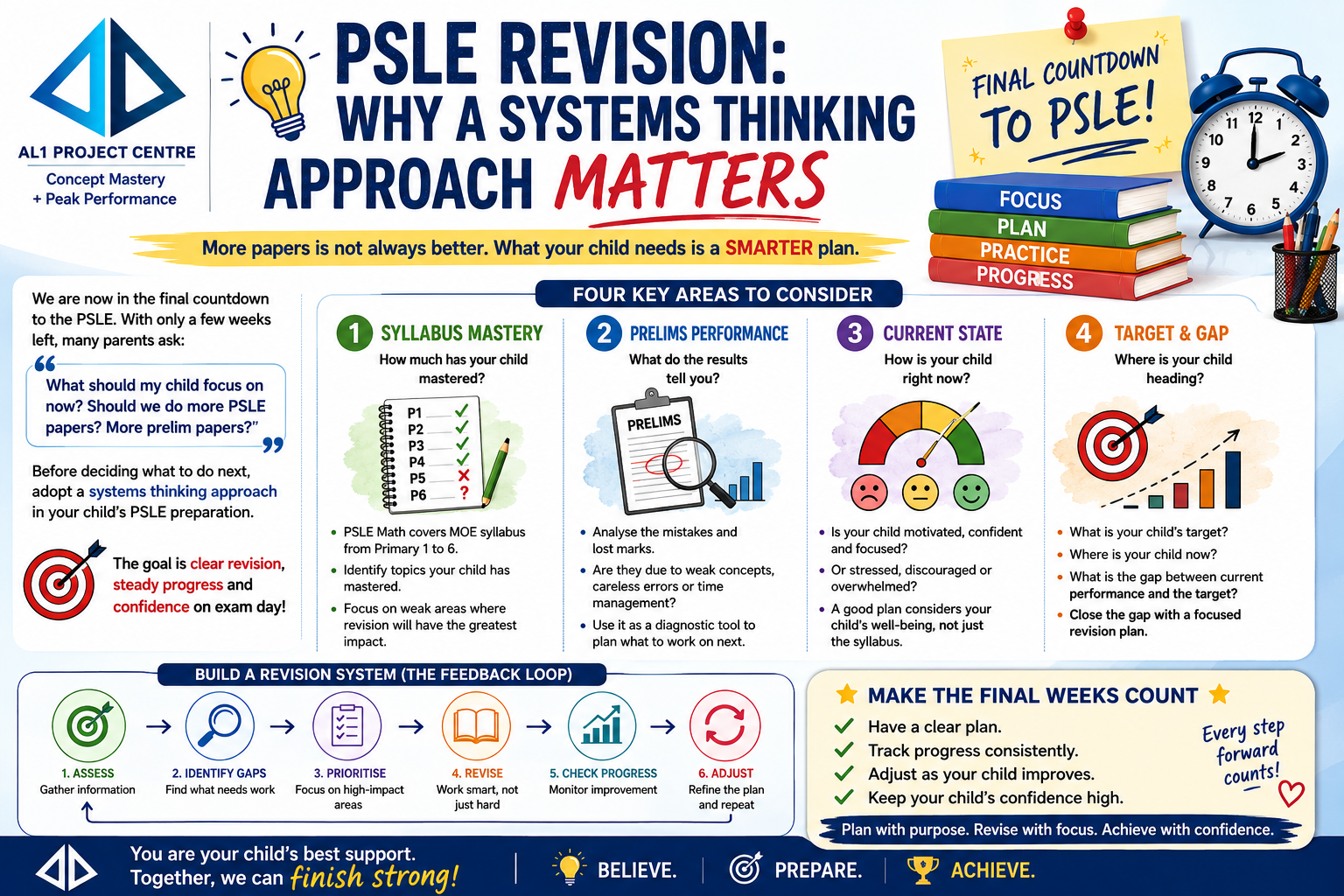
As the PSLE approaches, many parents rush to buy more assessment books, more practice papers, and more mock exams.
It seems logical: the more questions a child does, the better they should perform.
But after teaching Mathematics for over two decades, we've observed a different pattern.
Many students aren't struggling because they haven't done enough questions. They struggle because they haven't mastered the underlying concepts.
They repeatedly make the same mistakes, revisit the same weak topics, and become discouraged despite spending hours revising.
The solution isn't simply more practice. It's focused, purposeful practice.
The Hidden Problem with Random Revision
Imagine trying to improve your basketball skills by taking random shots from all over the court without ever practising free throws or layups.
That's how many students prepare for PSLE Math.
One day they're attempting a Geometry question. The next day they're working on Speed. Then they jump to Fractions before switching to Ratio.
The result?
* Weak concepts remain weak.
* Mistakes keep recurring.
* Confidence drops as the exam draws closer.
A more effective strategy is to identify each topic individually and strengthen it before moving on.
Why Topic-Based Revision Works
When questions are grouped by concept, students begin to notice patterns.
They learn:
* Which methods are appropriate for each topic.
* Common traps that examiners like to set.
* How familiar concepts can appear in different forms.
* Why certain mistakes happen repeatedly.
Instead of memorising isolated solutions, they develop a deeper understanding that transfers to unfamiliar questions.
Introducing Our Structured PSLE Revision Approach
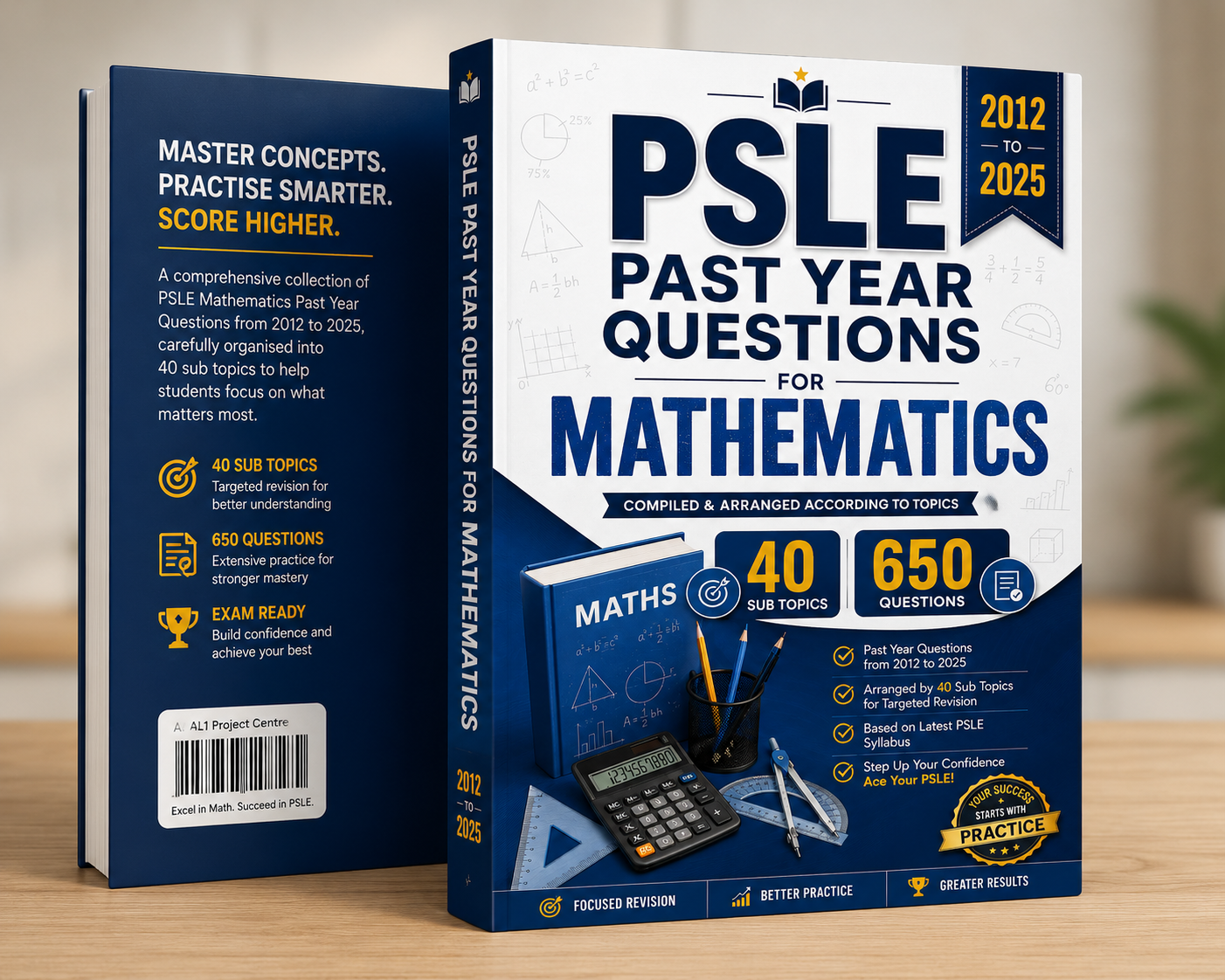
To support targeted learning, we've compiled 650 authentic PSLE Mathematics questions from 2012 to 2025, carefully organised into 40 key subtopics.
This means students can focus on one concept at a time instead of searching through years of examination papers.
Whether they need extra practice in Fractions, Ratio, Percentage, Speed, Geometry, or Algebra, they can revise systematically and measure their progress more effectively.
More Than Just a Collection of Questions
A good revision programme should help students answer two important questions:
1. What am I weak in?
2. How do I improve it?
Our PSLE Revision Programme is designed to help students identify knowledge gaps, strengthen conceptual understanding, and gain confidence through structured practice.
By working through carefully organised past-year questions, students spend less time wondering what to revise and more time improving where it matters most.
Quality Beats Quantity Every Time
We've seen students complete stacks of assessment books yet continue making the same errors.
We've also seen students make significant improvements simply by revising the right topics in the right sequence.
Success in PSLE Mathematics isn't about collecting more worksheets.
It's about understanding concepts, recognising patterns, and applying them confidently under exam conditions.
Is Your Child Revising Smart?
If your child is preparing for the PSLE and wants a more strategic approach to revision, consider using topic-based practice built around authentic examination questions.
With 650 carefully organised questions across 40 subtopics, students can revise with purpose, strengthen weak areas, and walk into the examination with greater confidence.
At AL1 Project Centre, we believe the goal isn't to do more questions. It's to understand Mathematics better so that every question becomes an opportunity to succeed.